If you can’t pay your ATO tax debt by the due date, you may be able to arrange a payment plan with the Australian Taxation Office (ATO). An ATO payment plan allows eligible individuals and businesses to repay their tax debt through regular instalments instead of paying the full amount upfront.
The right repayment arrangement depends on your circumstances, the amount you owe and your ability to make the required payments. Here’s what you need to know about ATO payment plan options, how to apply and what can happen if your tax debt remains unpaid.
The ATO provides payment arrangements for taxpayers who are unable to pay their outstanding tax debt in full. Depending on your circumstances, you may be able to agree to regular instalments that help you manage the debt over time.
An ATO payment plan is an arrangement that allows you to repay an outstanding tax debt through regular instalments rather than paying the full amount at once. Depending on your circumstances, payments may be arranged weekly, fortnightly or monthly.
Interest can continue to apply to an outstanding tax debt while you are making payments, so it is important to understand the total amount you will need to repay and whether the arrangement is affordable for your circumstances.
If you have an outstanding tax debt that you cannot pay in full, you may be able to request a payment plan with the ATO. Whether an arrangement is suitable and what terms may apply can depend on your circumstances, including your ability to make the proposed repayments.
For some taxpayers, an online payment plan may be available through the ATO’s online services. More complex situations may require direct communication with the ATO and additional financial information.
Here are some categories of individuals and businesses who might benefit from an ATO tax debt payment plan:
The ATO payment plan eligibility process also takes into account aspects like the taxpayer’s financial situation and their repayment capacity.
The Australian Taxation Office presents different payment arrangements depending on the amount of tax debt and a taxpayer’s financial situation. These options allow you to repay outstanding balances through manageable instalments. Let us quickly go through the ATO payment plan for small business:
Short-term arrangements are generally applicable to smaller tax debts that can be repaid within a shorter period of time. Taxpayers have to make an upfront payment followed by regular instalments under an ATO debt payment arrangement. This option is a sound one when the balance can reasonably be cleared within the ATO’s typical repayment limits.
On the other hand, long-term arrangements are applicable to larger tax debts that require extended repayment through regular instalments. Taxpayers also provide an upfront payment of around 5%, before repayments begin. The ATO might allow up to 2 years for repayment, which can assist businesses that are seeking ATO tax debt relief while managing cash flow.
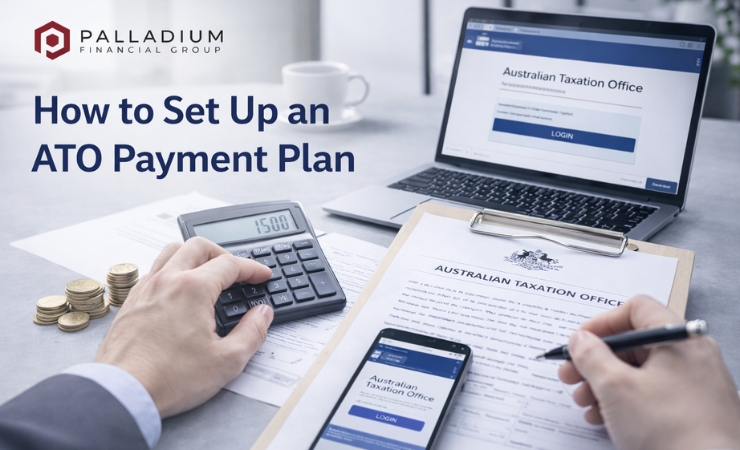
If you cannot pay your tax debt in full, the first step is to check whether you can set up an arrangement through the ATO’s online services. If your situation is more complex, you may need to contact the ATO directly and provide information about your financial position.
A small business tax accountant will be able to assist business owners in reviewing repayment amounts and seeing if the plan aligns with their financial capacity.
Businesses that maintain accurate records through BAS lodgement services find it easier to provide the required statements and financial details.
If you cannot set up a suitable arrangement online, you may need to contact the ATO to discuss your circumstances. Be prepared to explain your financial position, cash flow and ability to repay the debt. The ATO may request supporting information before deciding on an appropriate arrangement.
Here’s what might happen when you do not pay your ATO tax debt:
Entering into a payment arrangement does not necessarily mean interest stops accruing on your outstanding tax debt. The amount you ultimately pay can therefore be higher than the original debt. Before agreeing to repayments, consider whether the proposed arrangement is realistic for your financial position.
Yes, a tax accountant Perth can certainly assist individuals and businesses while managing outstanding tax obligations and setting up payment arrangements with the ATO. They will review your financial records and evaluate your repayment capacity before discussing payment plans with the ATO.
Professional guidance makes sure that lodgments and tax obligations always stay up-to-date. Businesses that use small business accounting support generally find it simpler to organise their financial records and communicate clearly in the process of arranging an appropriate repayment plan.
Managing tax debt is often based on proper planning and paying sufficient attention to financial obligations. Proper financial planning and accounting support can help you track tax liabilities and stay compliant with tax regulations throughout the year. Here are some tips for you to handle your tax debt better:
Many businesses consult business advisory Perth to evaluate financial data and seek practical ways while taking care of outstanding tax liabilities.
Proper documentation is always needed for smoother communication with the ATO while you are arranging repayment plans. Hence, you might partner with a qualified business consultant Perth who will assist you with preparing financial reports and ensuring lodgements are completed within required deadlines.
Need help managing an ATO tax debt or understanding your payment options? Palladium Financial Group can help you review your financial position, organise your tax obligations and provide professional guidance when dealing with the ATO.
Also read: What is a Trust Tax Return and How to Lodge It with the ATO
An ATO payment plan can provide practical support when you are not able to pay tax debt in full by the due date. This arrangement allows taxpayers to repay their outstanding balances through manageable instalments while staying compliant with their obligations. These scenarios might often get complicated, and thus, professional guidance can be of great help. Many businesses consult with accounting services Perth to review financial records and maintain tax reporting to prevent any issues of tax debt in the long run.

Copyrights © Palladium Financial Group 2026